
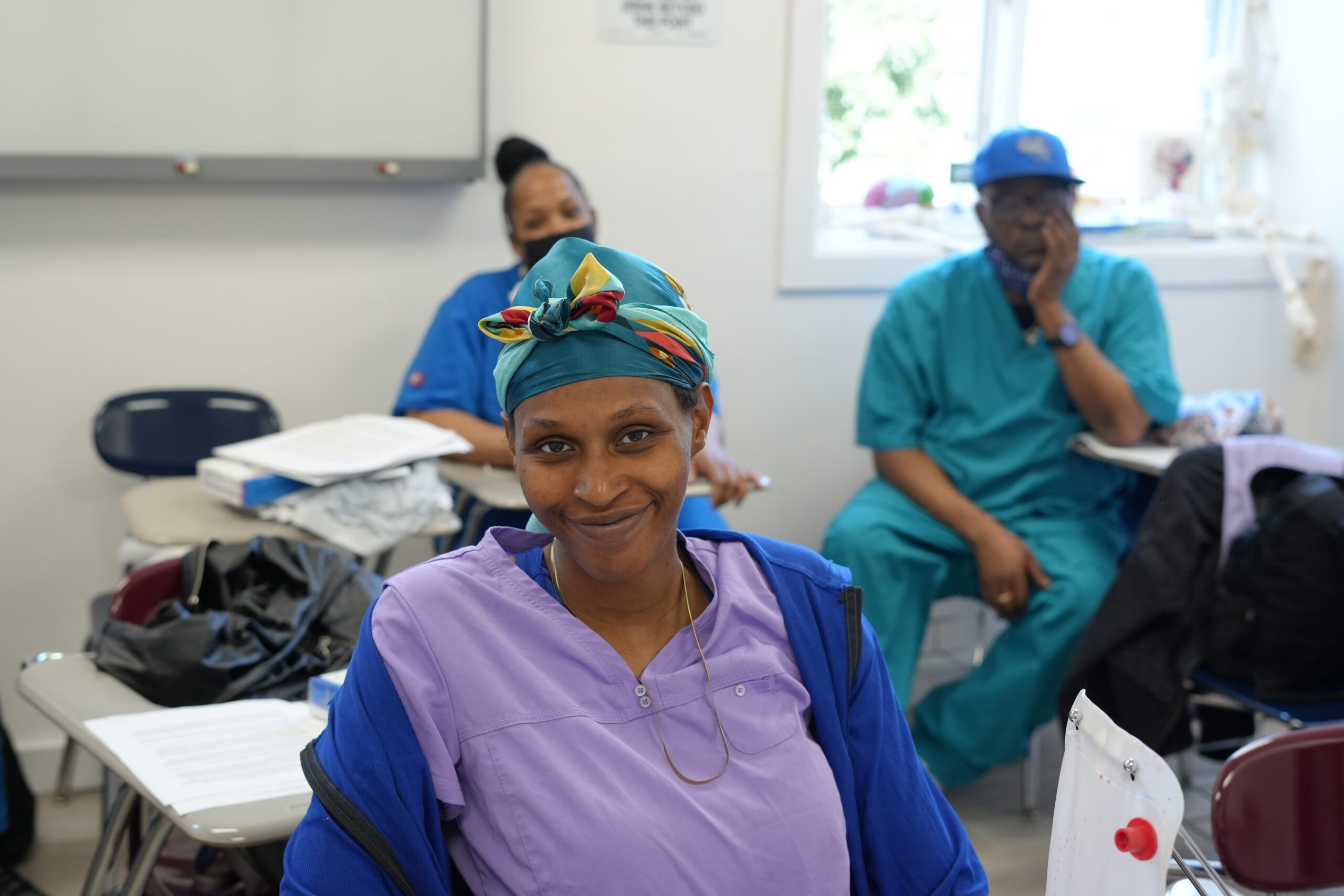
Working in a healthcare setting requires more than technical knowledge and the ability to complete tasks and perform tests. There is so much more to a medical office specialist role — regardless of the environment — than hard skills alone. Personal qualities and character traits that are harder to teach in a classroom setting are often just as important to success. Here are 5 soft skills to start building during your time at medical office specialist school.
1. Emotional Intelligence in the Workplace
Emotional intelligence (EQ) allows patients to receive better service while achieving improved outcomes. This comes into play in many areas of healthcare — for example, knowing how to calm a patient's anxiety before a procedure, or keeping a neutral expression when reviewing a concerning test result. One effective way to improve your EQ is to observe your own behavioral patterns and ask a trusted colleague for constructive feedback. Once you identify habitual areas for improvement, you can consciously work on them each time you encounter a similar situation. MSCT's Client Relations course gives you practice thinking in the best interest of each client, helping you develop this essential quality over time.
2. Professionalism in Medical Office Specialist School
Professionalism is difficult to teach in a classroom and requires dedication from each student inside and outside of the program. While you may already understand aspects like protecting patient privacy and confidentiality, maintaining appropriate professional boundaries in relationships can be more challenging. Practicing professional behaviors until they become ingrained values is the goal. This might mean asking colleagues for accountability, or consciously setting aside personal opinions and beliefs in order to best serve patients.
3. Punctuality at Work and Beyond
Punctuality is crucial in a healthcare setting. Without it, appointments run together, patients become frustrated, and important tests and results can be delayed. Whether working in the front office or performing blood collections, being on time is non-negotiable. You can practice this during your program at MSCT by arriving early and prepared to every class, advising appointment, and lab session. Extending that discipline into your personal life — meeting friends on time, waking up when you planned — helps make punctuality a second-nature habit.
4. Critical Thinking Beyond the Task at Hand
Critical thinking in healthcare means taking into consideration all available information gathered through observation, experience, and communication — then applying careful analysis and evaluation before acting. While this skill is encouraged in the classroom, it ultimately must be developed through each student's own initiative. Practicing it looks like slowing down whenever you encounter a situation that requires more than a routine response, considering all the details at hand, and making a deliberate, informed decision rather than a reflexive one.
5. Subordination as a Team Player
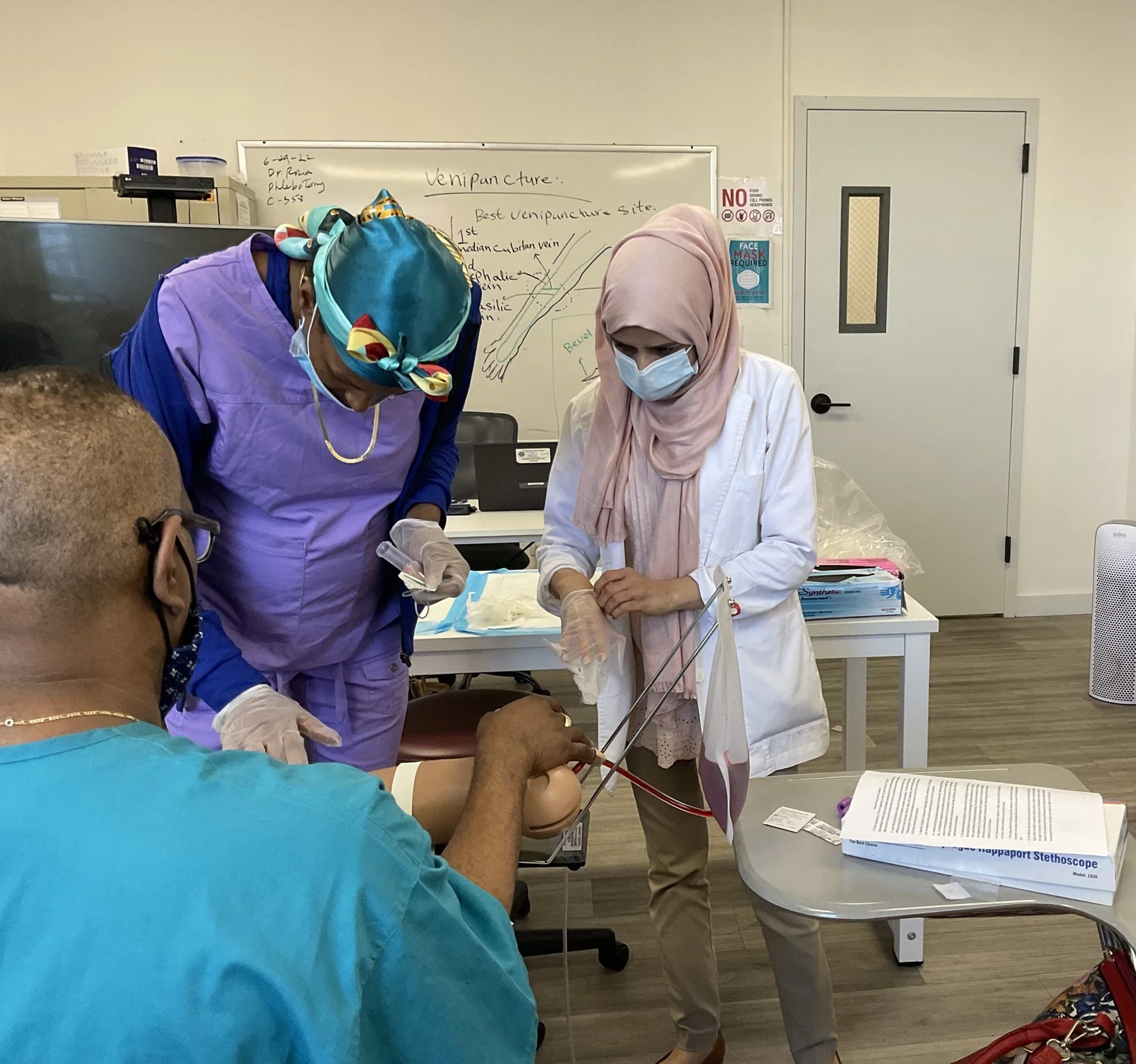
Successful patient care depends on the smooth inner workings of a healthcare team as a whole. Subordination — the willingness to step aside for a more qualified professional, or to set aside your individual interests in service of the patient — is what makes that possible. This doesn't mean diminishing your own contributions; it means understanding when your role is to support rather than lead. Voluntary subordination allows healthcare environments to operate smoothly and ensures every patient receives the best possible care.
75%
Ready?
Is Career Training at MSCT Right for You?
Take Our Career Training Readiness Assessment
This fun, online quiz takes 3-minutes to complete and you’ll get a personalized report. Identify your strengths and social style, plus the career paths you’re a fit for.